

Hash vs Weed: What’s the Difference? Strength, Effects, and What You Should Know
If you’re exploring cannabis products, it’s natural to wonder about the difference between hash and weed. Although both come from the same cannabis plant, they differ significantly in how producers make them, how strong they are, and how they affect the body.
In this guide, you’ll learn exactly how hash compares to weed, including strength, effects, and practical differences. By the end, you’ll have a clear understanding of which option suits different preferences and experience levels.
What Is Weed?
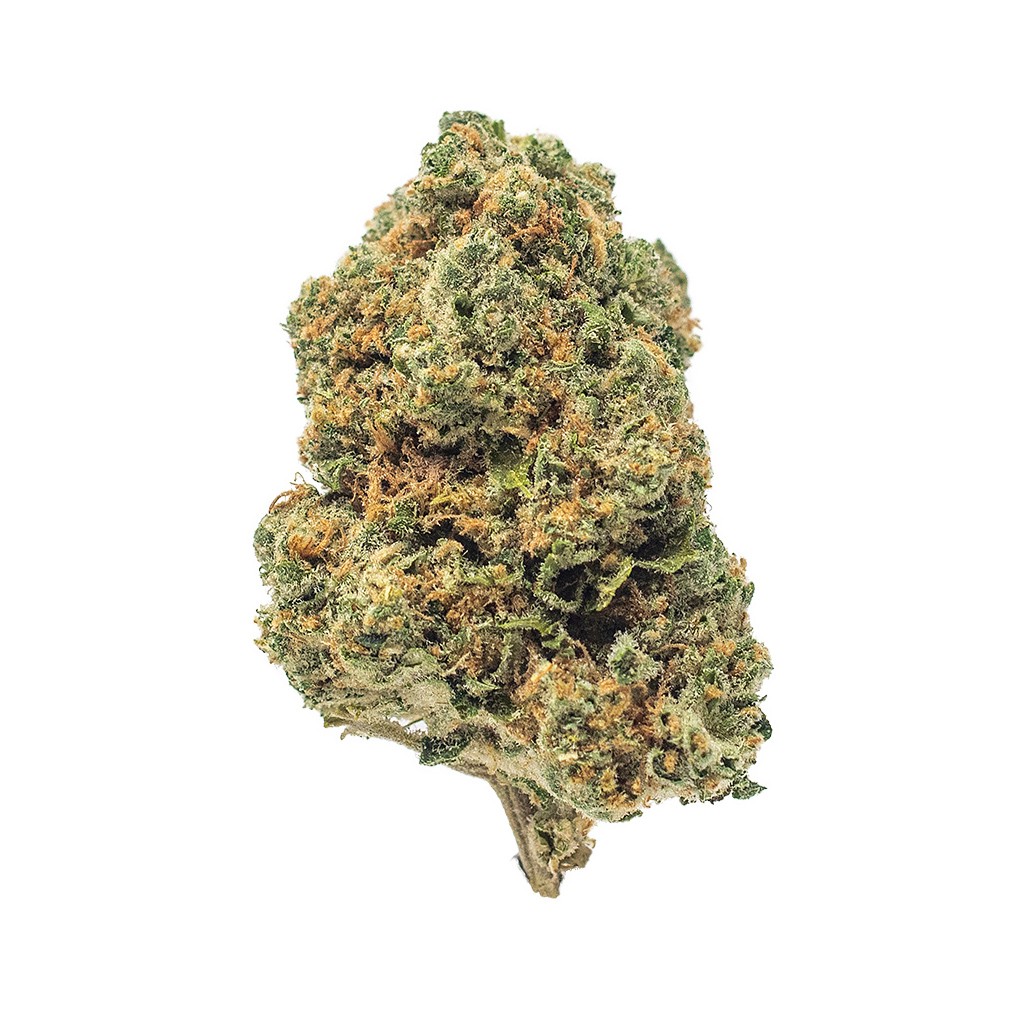
Weed, also known as cannabis or marijuana, refers to the dried flowers of the female cannabis plant. These flowers naturally contain cannabinoids like THC and CBD, along with terpenes that influence aroma and effects.
Most cannabis flower contains between 10% and 25% THC, depending on the strain and how it was grown.
Common ways weed is used include:
- Smoking or vaping dried flower
- Infusing it into edibles
- Using it as a base for other cannabis products
Weed is often preferred by beginners because its effects are generally lighter and easier to control compared to more concentrated cannabis products.
What Is Hash?
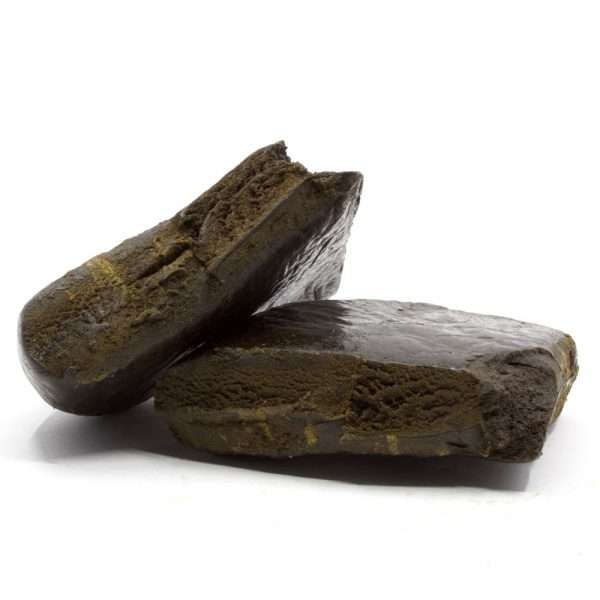
Hash, short for hashish, is a cannabis concentrate made by collecting and compressing trichomes. Trichomes are the tiny resin glands on cannabis flowers that hold most of the plant’s THC and aromatic compounds.
Because hash is made almost entirely from resin, it is much more concentrated than weed.
Typical cannabis hash contains 20% to 40% THC, although some refined forms may be higher.
Hash has been used for centuries, especially in regions such as North Africa, the Middle East, and South Asia. Today, it remains one of the most popular cannabis concentrates in Europe.
How Hash Is Made
Traditional Hash-Making Methods
Most traditional hash is produced using mechanical separation, meaning no chemical solvents are involved.
Common traditional methods include:
- Dry-sift hash: Cannabis is dried and sifted through fine screens to separate trichomes, which are then pressed into blocks
- Hand-rubbed hash: Fresh cannabis flowers are rubbed by hand until resin collects and is shaped into balls or slabs
Dry-sift hash remains the most common type globally and is widely associated with regions such as Morocco and Lebanon.
Modern Extraction Methods
More modern techniques aim to reduce plant material and increase purity.
One popular solventless method is ice-water extraction, where cannabis is agitated in ice water so trichomes break off and sink. The result is often called bubble hash, named for how it bubbles when heated.
Hash vs Weed: Strength Comparison
The biggest difference between hash and weed is potency.
On average:
- Weed contains 10–25% THC
- Hash contains 20–40% THC
Because hash is more concentrated, a smaller amount usually produces stronger and longer-lasting effects.
Key insight:
Hash is generally stronger per gram, while weed offers a more diluted and gradual experience.
How the Effects Feel Different
Although both products contain THC, many people describe the effects differently.
Weed Effects
- Faster onset
- Lighter mental stimulation
- Easier to pace and control
- Shorter overall duration
Hash Effects
- Deeper physical relaxation
- Heavier body sensation
- Longer-lasting effects
- More immersive or intense experience
Many users describe hash as feeling slower and more grounding, while weed feels brighter and more immediate.
Duration of Effects
Potency also affects how long the effects last.
- Weed effects typically last 2 to 4 hours
- Hash effects can last 4 hours or longer, depending on strength and tolerance
Because hash contains more THC, the experience often feels more sustained.
Quality Differences in Hash
Not all hash is created equal. Quality depends on purity and production.
Signs of Good-Quality Hash
- Consistent color, usually light to dark brown
- Slightly oily or sticky texture
- Earthy or spicy aroma without chemical smells
Signs of Poor-Quality Hash
- Excessive dryness or crumbling
- Artificial or plasticky taste
- Dark smoke or residue when heated
A common quality check is the bubble test, where clean hash gently bubbles under heat and produces light-colored smoke.
Health and Safety Considerations
Both hash and weed affect the body through THC, but higher concentrations increase the risk of discomfort when overused.
Things to keep in mind:
- Hash increases the risk of overconsumption due to higher THC
- Effects are dose-dependent and vary by individual
- Stronger products may intensify anxiety or dizziness in some users
Understanding strength helps people make informed decisions rather than relying on assumptions.
Which Is Better: Hash or Weed?
Neither option is objectively better. It depends on experience level and personal preference.
People who prefer hash often value:
- Stronger effects in smaller amounts
- Longer-lasting relaxation
- Rich, resin-focused flavor
People who prefer weed often value:
- Greater control over intensity
- Lighter effects
- Easier predictability
Strength alone does not define quality.
Hash, Weed, and Cannabis Concentrates in Europe
Hash remains one of the most widely used cannabis concentrates in Europe. Many people searching for cannabis products look for reliable information before deciding where and how to buy.
Educational guides like this support informed decisions when exploring options such as cannabis hash and wax, especially for those interested in discreet delivery Europe or using an online cannabis shop EU.
Key Takeaways: Hash vs Weed
- Weed is dried cannabis flower; hash is concentrated resin
- Hash is generally stronger, with 20–40% THC
- Weed offers lighter, shorter effects
- Hash provides deeper, longer-lasting effects
- Preference depends on tolerance and experience
For a deeper breakdown of potency, see our guide on how strong cannabis hash really is.
Conclusion
Hash and weed may come from the same plant, but they offer very different experiences. Weed provides a balanced and approachable option, while hash delivers higher potency and longer-lasting effects through concentrated resin.
Understanding these differences helps people make informed choices, whether they are learning about cannabis concentrates or researching cannabis hash for sale in Europe. Knowledge, not assumptions, is what leads to better decisions.
